Religious theater has been a significant form of artistic expression throughout history, blending spirituality with the performing arts. Across cultures and time periods, religious theater has served as a powerful medium for storytelling, community bonding, and spiritual reflection.
Category : | Sub Category : Posted on 2025-11-03 22:25:23
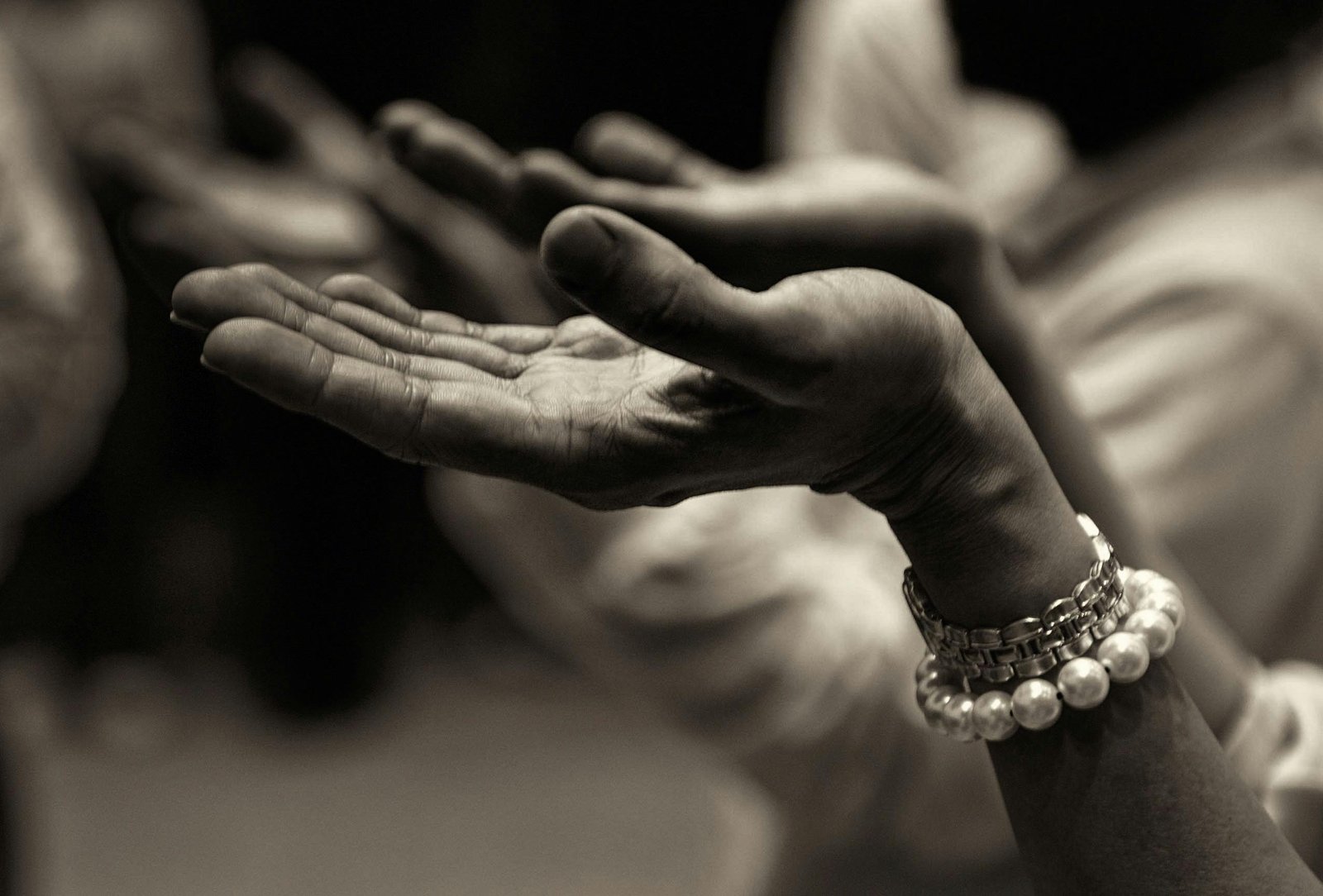
One of the earliest forms of religious theater can be traced back to ancient Egypt, where elaborate rituals and ceremonies were performed to honor the gods and pharaohs. These performances often included music, dance, and dramatic reenactments of myths and religious stories. In ancient Greece, theater played a central role in religious practices, with festivals such as the Dionysia dedicated to the god Dionysus. Greek tragedies and comedies, performed in outdoor theaters, explored themes of fate, morality, and the relationship between humans and the divine. Across the globe, various religious traditions have developed their own forms of theater and performance. In Hinduism, traditional dance dramas such as Bharatanatyam and Kathakali convey religious stories from epics like the Ramayana and the Mahabharata. These performances combine intricate movements, expressive gestures, and elaborate costumes to evoke spiritual and emotional experiences for the audience. In Christianity, religious theater has taken on many forms, from medieval mystery plays that depicted biblical stories for illiterate audiences to modern passion plays that reenact the suffering and death of Jesus Christ. These performances often serve as a way to educate, inspire, and reaffirm faith for believers. In Islam, the art of storytelling and performance has been a vibrant part of the culture, with traditions like Sufi whirling dervishes and shadow puppetry bringing to life tales from the Quran and Islamic folklore. These performances blend spiritual teachings with artistic expression, creating a transcendent experience for both performers and audience members. Religious theater continues to evolve and adapt to contemporary times, with artists and creators finding new ways to explore themes of faith, belief, and spirituality through the performing arts. Whether through traditional rituals, experimental performances, or multimedia presentations, religious theater remains a dynamic and compelling form of artistic expression that bridges the gap between the sacred and the secular. For a fresh perspective, give the following a read https://www.felicitaciones.org Get more at https://www.abandonar.org Discover more about this topic through https://www.culturelle.org
Leave a Comment:
SEARCH
Recent News
- Zurich, Switzerland is a vibrant city known for its picturesque landscapes, rich history, and diverse cultural scene. One fascinating aspect of Zurich's cultural tapestry is the influence of Sudanese culture in the city.
- Zurich, Switzerland, is renowned for its picturesque landscapes, vibrant culture, and thriving economy. However, thousands of kilometers away in Russia, agriculture plays a crucial role in the country's economy and food production.
- When looking at two diverse but equally fascinating destinations such as Zurich, Switzerland, and the rich culture of Quebec in Canada, it’s hard not to be captivated by the unique charm and beauty each has to offer.
- Zurich, Switzerland: A Hub for Hungarian Culture
- Zurich, Switzerland is a picturesque city known for its stunning landscapes, historic architecture, and vibrant culture. On the other hand, Honduras is a country rich in history and cultural diversity. Let's explore the contrasting beauty of Zurich, Switzerland and the colorful traditions of Honduras.
- Zurich, Switzerland is a vibrant city known for its stunning beauty, high quality of life, and rich cultural scene. One of the many diverse cultural influences found in Zurich is that of Ethiopian culture. Ethiopians have been making significant contributions to the cultural landscape of Zurich, bringing their unique traditions, music, cuisine, and art to the city.
- Cancel culture has been a hotly debated topic in recent years, and its impact can be seen around the world, including in Zurich, Switzerland. As a vibrant and cosmopolitan city, Zurich is not immune to the effects of cancel culture, which involves boycotting or ostracizing individuals or groups deemed to have behaved in a controversial or offensive manner.
- Zurich, Switzerland is a city known for its stunning architecture, pristine lake, and vibrant cultural scene. Home to a diverse population, Zurich also attracts residents and visitors from all over the world, including those from Bolivia who bring their rich cultural heritage with them.
READ MORE
11 months ago Category :

Zurich, Switzerland is a vibrant city known for its picturesque landscapes, rich history, and diverse cultural scene. One fascinating aspect of Zurich's cultural tapestry is the influence of Sudanese culture in the city.
Read More →11 months ago Category :

Zurich, Switzerland, is renowned for its picturesque landscapes, vibrant culture, and thriving economy. However, thousands of kilometers away in Russia, agriculture plays a crucial role in the country's economy and food production.
Read More →11 months ago Category :

When looking at two diverse but equally fascinating destinations such as Zurich, Switzerland, and the rich culture of Quebec in Canada, it’s hard not to be captivated by the unique charm and beauty each has to offer.
Read More →11 months ago Category :
