Religions and Regional Clothing: A Beautiful Intersection
Category : | Sub Category : Posted on 2025-11-03 22:25:23
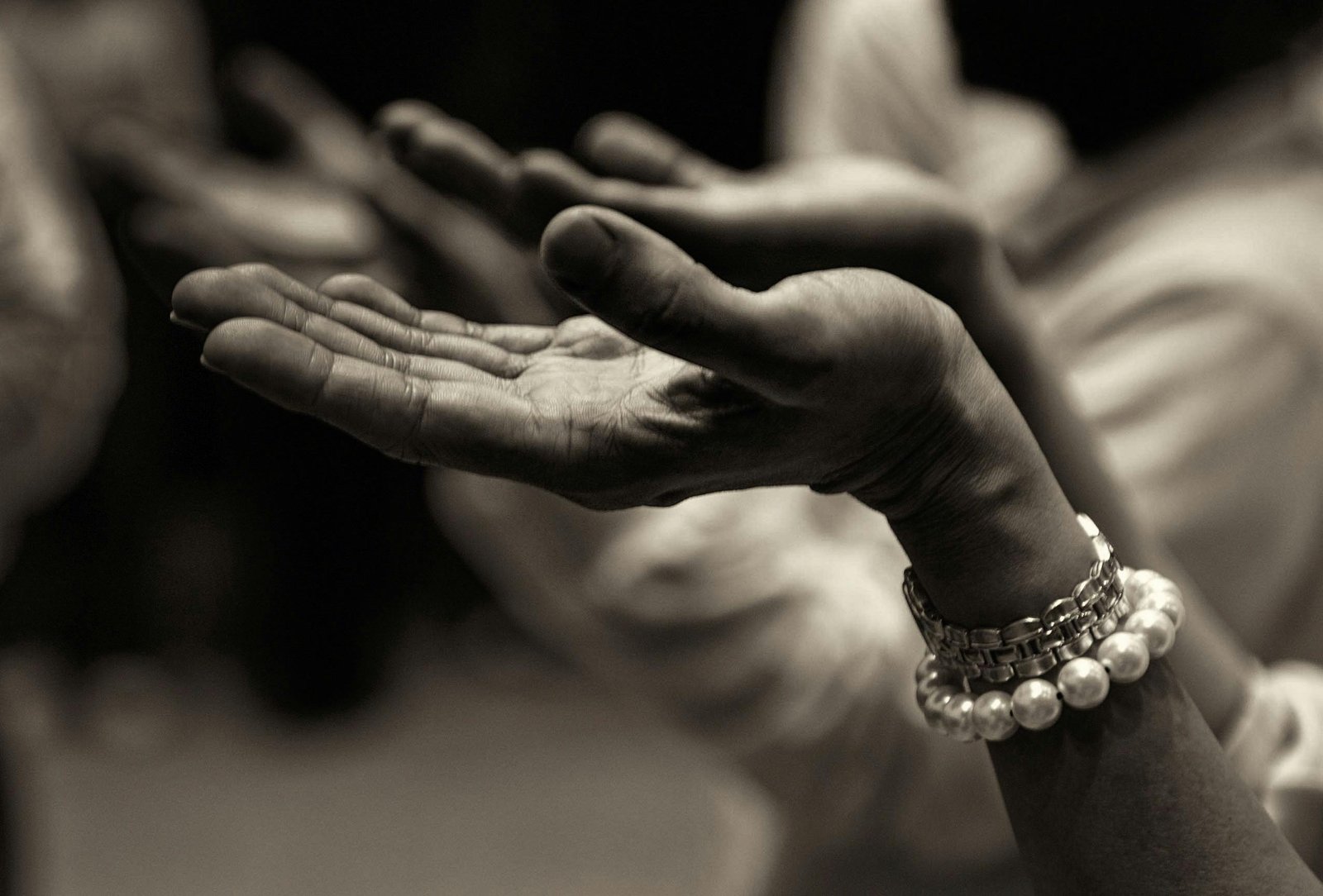
Clothing has always been a way for people to express their culture, beliefs, and identities. Across the globe, different religions have their unique traditions and practices when it comes to attire. These regional clothing styles not only serve a practical purpose but also hold deep spiritual and symbolic meanings for followers of various faiths. In many cultures, religious attire plays a significant role in distinguishing one's faith and demonstrating respect for religious customs. For example, the traditional clothing worn by Hindu women, such as sarees and salwar kameez, are not only beautiful garments but also reflect cultural norms and values. Similarly, Muslim women often wear hijabs or abayas as a sign of modesty and devotion to their faith. Judaism also has its distinctive clothing traditions, with men wearing kippahs and tzitzit as symbols of their faith. In Sikhism, followers are required to wear the Five Ks, including the kesh (uncut hair) and the kara (metal bracelet), as a way of embodying their commitment to the teachings of Guru Gobind Singh. In addition to the practical and symbolic aspects, religious attire can also serve as a form of unity and solidarity within a community. For example, the traditional attire worn by Buddhist monks not only sets them apart but also unites them in their dedication to a shared spiritual path. The intersection of religion and regional clothing is a fascinating and beautiful reflection of the diversity and richness of our world's cultures. These garments tell stories of tradition, spirituality, and belonging, serving as a visual representation of the values and beliefs that are cherished by billions of people around the world. In conclusion, the clothing worn by followers of different religions is not just fabric and thread; it is a powerful statement of faith, identity, and tradition. By honoring and respecting these unique regional clothing styles, we celebrate the beauty and diversity of religious practices worldwide. sources: https://www.tolisbon.com Have a look at the following website to get more information https://www.diaria.org also for more info https://www.culturelle.org For a broader perspective, don't miss https://www.savanne.org If you're interested in this topic, I suggest reading https://www.regionales.net Check the link: https://www.tohonduras.com Seeking expert advice? Find it in https://www.paraguayinfo.com To learn more, take a look at: https://www.boliviainfo.com
Leave a Comment:
SEARCH
Recent News
- Zurich, Switzerland is a vibrant city known for its picturesque landscapes, rich history, and diverse cultural scene. One fascinating aspect of Zurich's cultural tapestry is the influence of Sudanese culture in the city.
- Zurich, Switzerland, is renowned for its picturesque landscapes, vibrant culture, and thriving economy. However, thousands of kilometers away in Russia, agriculture plays a crucial role in the country's economy and food production.
- When looking at two diverse but equally fascinating destinations such as Zurich, Switzerland, and the rich culture of Quebec in Canada, it’s hard not to be captivated by the unique charm and beauty each has to offer.
- Zurich, Switzerland: A Hub for Hungarian Culture
- Zurich, Switzerland is a picturesque city known for its stunning landscapes, historic architecture, and vibrant culture. On the other hand, Honduras is a country rich in history and cultural diversity. Let's explore the contrasting beauty of Zurich, Switzerland and the colorful traditions of Honduras.
- Zurich, Switzerland is a vibrant city known for its stunning beauty, high quality of life, and rich cultural scene. One of the many diverse cultural influences found in Zurich is that of Ethiopian culture. Ethiopians have been making significant contributions to the cultural landscape of Zurich, bringing their unique traditions, music, cuisine, and art to the city.
- Cancel culture has been a hotly debated topic in recent years, and its impact can be seen around the world, including in Zurich, Switzerland. As a vibrant and cosmopolitan city, Zurich is not immune to the effects of cancel culture, which involves boycotting or ostracizing individuals or groups deemed to have behaved in a controversial or offensive manner.
- Zurich, Switzerland is a city known for its stunning architecture, pristine lake, and vibrant cultural scene. Home to a diverse population, Zurich also attracts residents and visitors from all over the world, including those from Bolivia who bring their rich cultural heritage with them.
READ MORE
11 months ago Category :

Zurich, Switzerland is a vibrant city known for its picturesque landscapes, rich history, and diverse cultural scene. One fascinating aspect of Zurich's cultural tapestry is the influence of Sudanese culture in the city.
Read More →11 months ago Category :

Zurich, Switzerland, is renowned for its picturesque landscapes, vibrant culture, and thriving economy. However, thousands of kilometers away in Russia, agriculture plays a crucial role in the country's economy and food production.
Read More →11 months ago Category :

When looking at two diverse but equally fascinating destinations such as Zurich, Switzerland, and the rich culture of Quebec in Canada, it’s hard not to be captivated by the unique charm and beauty each has to offer.
Read More →11 months ago Category :
