The Intersection of Corruption and Religious Power in Theater
Category : | Sub Category : Posted on 2025-11-03 22:25:23
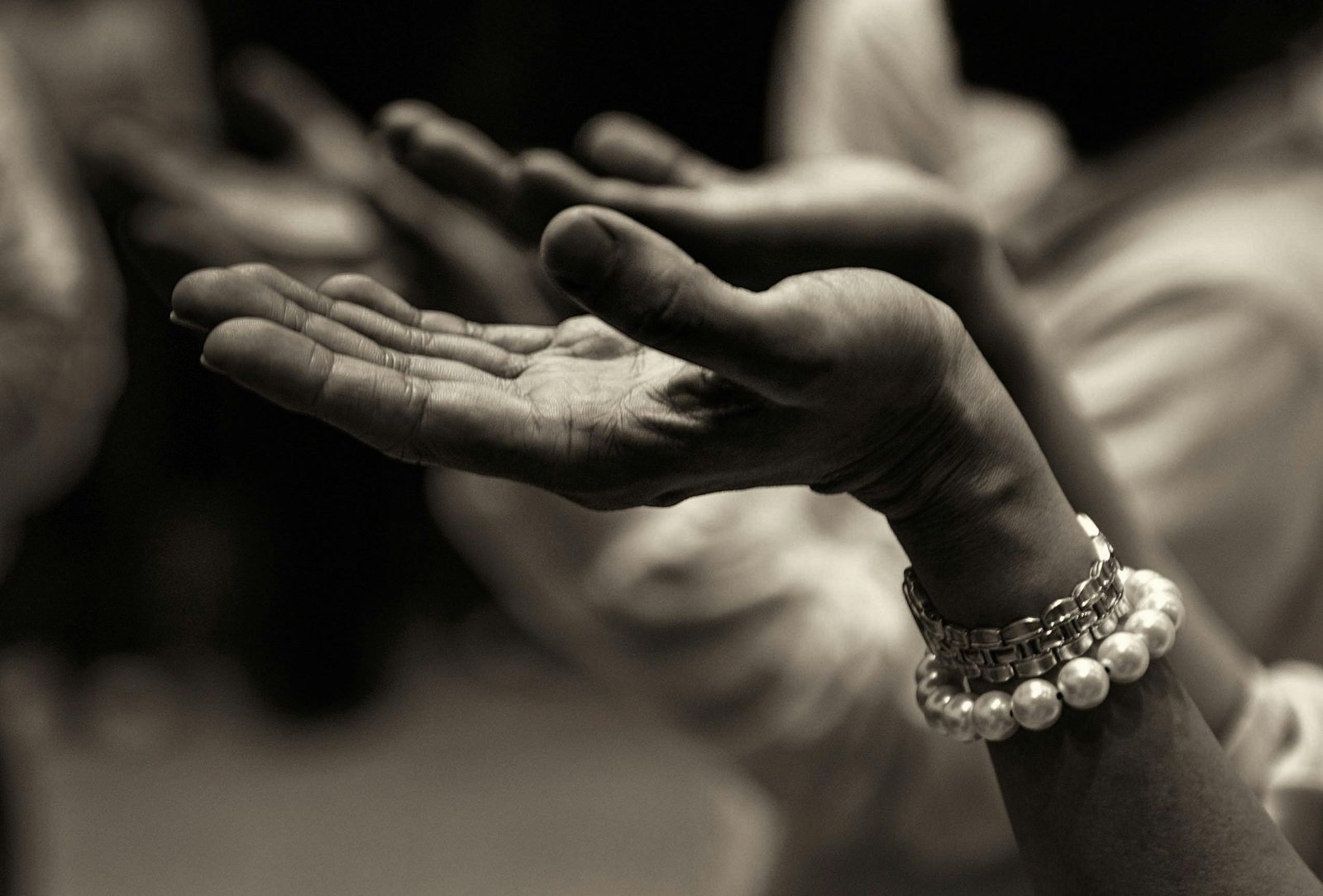
In the world of theater, themes of corruption and religious power often intersect, creating compelling narratives that spark reflection and introspection among audiences. These stories explore the moral dilemmas that arise when individuals in positions of authority wield their influence for personal gain, often at the expense of others. Through captivating characters and gripping plotlines, theater sheds light on the darker aspects of human nature and challenges viewers to consider the consequences of unchecked power and privilege. Corruption is a prevalent theme in many theatrical works, depicting the insidious ways in which individuals misuse their authority for selfish purposes. Whether it is a corrupt political leader exploiting their position for financial gain or a dishonest businessman engaging in fraudulent activities, theater exposes the destructive effects of greed and moral decay. These narratives serve as cautionary tales, warning against the dangers of unchecked ambition and moral compromise. At the same time, the influence of religious power on society is a recurring motif in theater, exploring the ways in which faith can be both a source of strength and a tool for manipulation. Religious leaders who abuse their authority to control and manipulate their followers are often portrayed in plays and performances, highlighting the inherent dangers of blind faith and unquestioning loyalty. These stories delve into the complex relationship between spirituality and power, challenging viewers to question the motivations and intentions of those who claim to represent divine authority. In some theatrical works, corruption and religious power intersect, creating a potent narrative that delves into the murky waters of morality and ethics. Characters who wield both political and religious authority may find themselves torn between their duty to uphold moral principles and their desire for personal gain. These internal conflicts are portrayed with depth and nuance, inviting audiences to consider the complexities of human nature and the choices that individuals must make when faced with conflicting obligations. Overall, the intersection of corruption and religious power in theater serves as a powerful lens through which to examine the human condition and the ethical dilemmas that confront individuals in positions of authority. By presenting these complex themes in engaging and thought-provoking ways, theater invites audiences to reflect on their own values and beliefs, prompting important conversations about the impact of power and privilege on society as a whole.
Leave a Comment:
SEARCH
Recent News
- Zurich, Switzerland is a vibrant city known for its picturesque landscapes, rich history, and diverse cultural scene. One fascinating aspect of Zurich's cultural tapestry is the influence of Sudanese culture in the city.
- Zurich, Switzerland, is renowned for its picturesque landscapes, vibrant culture, and thriving economy. However, thousands of kilometers away in Russia, agriculture plays a crucial role in the country's economy and food production.
- When looking at two diverse but equally fascinating destinations such as Zurich, Switzerland, and the rich culture of Quebec in Canada, it’s hard not to be captivated by the unique charm and beauty each has to offer.
- Zurich, Switzerland: A Hub for Hungarian Culture
- Zurich, Switzerland is a picturesque city known for its stunning landscapes, historic architecture, and vibrant culture. On the other hand, Honduras is a country rich in history and cultural diversity. Let's explore the contrasting beauty of Zurich, Switzerland and the colorful traditions of Honduras.
- Zurich, Switzerland is a vibrant city known for its stunning beauty, high quality of life, and rich cultural scene. One of the many diverse cultural influences found in Zurich is that of Ethiopian culture. Ethiopians have been making significant contributions to the cultural landscape of Zurich, bringing their unique traditions, music, cuisine, and art to the city.
- Cancel culture has been a hotly debated topic in recent years, and its impact can be seen around the world, including in Zurich, Switzerland. As a vibrant and cosmopolitan city, Zurich is not immune to the effects of cancel culture, which involves boycotting or ostracizing individuals or groups deemed to have behaved in a controversial or offensive manner.
- Zurich, Switzerland is a city known for its stunning architecture, pristine lake, and vibrant cultural scene. Home to a diverse population, Zurich also attracts residents and visitors from all over the world, including those from Bolivia who bring their rich cultural heritage with them.
READ MORE
10 months ago Category :

Zurich, Switzerland is a vibrant city known for its picturesque landscapes, rich history, and diverse cultural scene. One fascinating aspect of Zurich's cultural tapestry is the influence of Sudanese culture in the city.
Read More →10 months ago Category :

Zurich, Switzerland, is renowned for its picturesque landscapes, vibrant culture, and thriving economy. However, thousands of kilometers away in Russia, agriculture plays a crucial role in the country's economy and food production.
Read More →10 months ago Category :

When looking at two diverse but equally fascinating destinations such as Zurich, Switzerland, and the rich culture of Quebec in Canada, it’s hard not to be captivated by the unique charm and beauty each has to offer.
Read More →10 months ago Category :
