Corruption and Religious Power: Tax Benefits
Category : | Sub Category : Posted on 2025-11-03 22:25:23
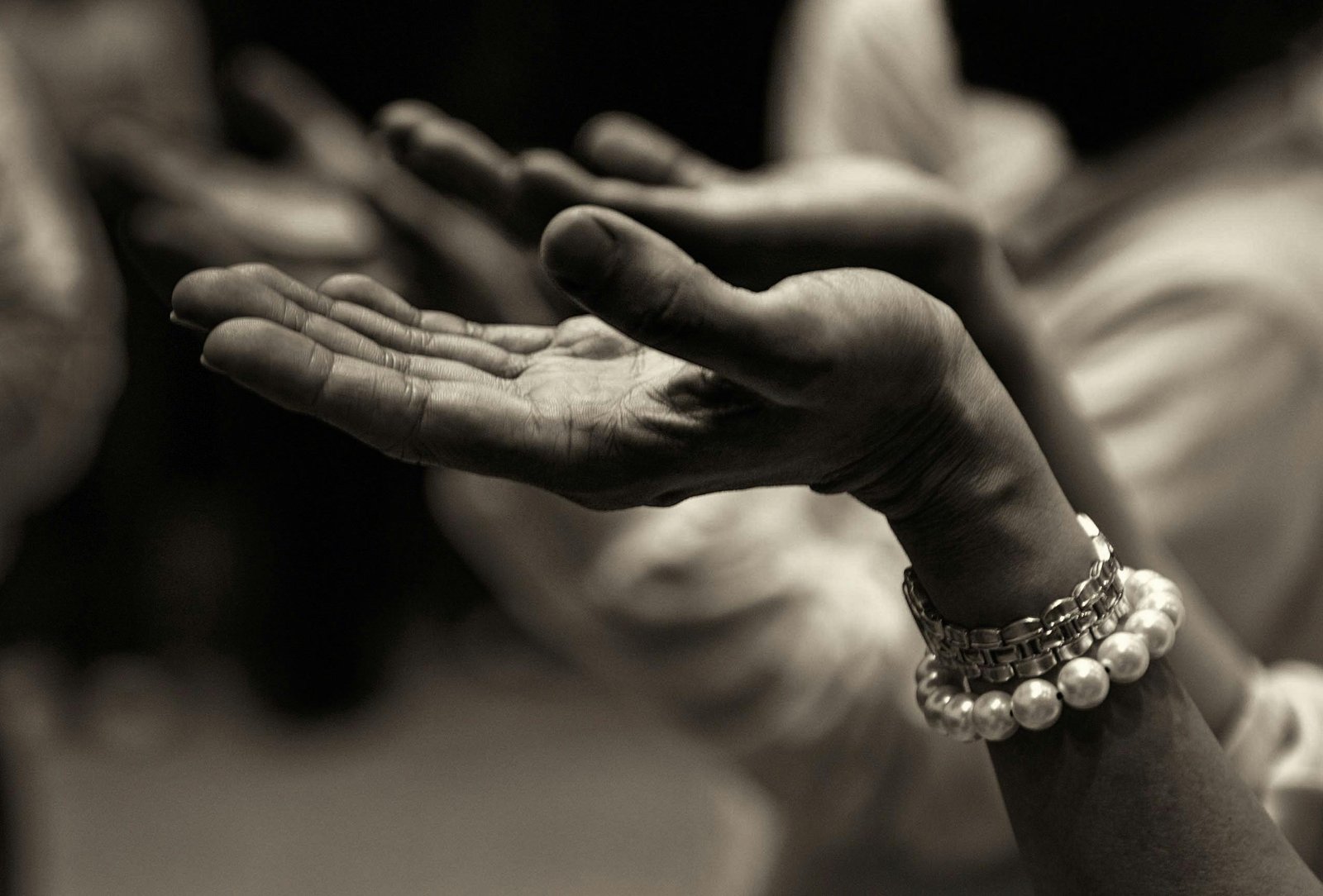
corruption, a widespread issue in many societies, has the power to undermine trust in institutions and erode the fabric of society. When corruption intersects with religious power, the consequences can be particularly damaging. In some cases, religious institutions may abuse their influence to exploit tax benefits for personal gain, leading to a loss of public trust and financial resources. The intersection of corruption and religious power can manifest in various ways, one of which is through the misuse of tax exemptions and benefits. Many countries provide tax breaks to religious organizations as a way to support their charitable and community-building activities. However, these benefits can sometimes be manipulated by unscrupulous individuals within religious institutions for their personal enrichment. One common way in which corruption and religious power collide is through the misreporting of financial information to take advantage of tax benefits. Some religious organizations may inflate their expenses or underreport their income to minimize their tax obligations, diverting funds that should go towards charitable activities or community development projects. This not only deprives the government of much-needed tax revenue but also undermines the credibility and integrity of the religious institution in question. Another aspect of corruption and religious power is the undue influence that religious leaders may exert over political leaders to secure favorable tax treatment. In some cases, religious figures may engage in quid pro quo arrangements with politicians, offering support or endorsement in exchange for tax breaks or other financial favors. This kind of backroom dealing erodes the separation of church and state and undermines the principles of transparency and accountability in governance. To combat the intersection of corruption and religious power in the context of tax benefits, there needs to be greater oversight and transparency in the financial dealings of religious organizations. Governments should strengthen their regulatory mechanisms to prevent the misuse of tax exemptions and benefits by religious institutions. Religious leaders also have a responsibility to uphold ethical standards and ensure that their financial practices are in line with their moral and religious principles. Ultimately, addressing corruption and religious power in the context of tax benefits requires a concerted effort from both governments and religious institutions. By fostering a culture of accountability, transparency, and integrity, we can uphold the true spirit of religious teachings and ensure that tax benefits are used for their intended purpose of promoting social good and community welfare. For more info https://www.sanning.org Get more at https://www.deber.org Dropy by for a visit at https://www.castigo.org Seeking answers? You might find them in https://www.comisario.org click the following link for more information: https://www.adizione.com visit: https://www.coopenae.com
Leave a Comment:
SEARCH
Recent News
- Zurich, Switzerland is a vibrant city known for its picturesque landscapes, rich history, and diverse cultural scene. One fascinating aspect of Zurich's cultural tapestry is the influence of Sudanese culture in the city.
- Zurich, Switzerland, is renowned for its picturesque landscapes, vibrant culture, and thriving economy. However, thousands of kilometers away in Russia, agriculture plays a crucial role in the country's economy and food production.
- When looking at two diverse but equally fascinating destinations such as Zurich, Switzerland, and the rich culture of Quebec in Canada, it’s hard not to be captivated by the unique charm and beauty each has to offer.
- Zurich, Switzerland: A Hub for Hungarian Culture
- Zurich, Switzerland is a picturesque city known for its stunning landscapes, historic architecture, and vibrant culture. On the other hand, Honduras is a country rich in history and cultural diversity. Let's explore the contrasting beauty of Zurich, Switzerland and the colorful traditions of Honduras.
- Zurich, Switzerland is a vibrant city known for its stunning beauty, high quality of life, and rich cultural scene. One of the many diverse cultural influences found in Zurich is that of Ethiopian culture. Ethiopians have been making significant contributions to the cultural landscape of Zurich, bringing their unique traditions, music, cuisine, and art to the city.
- Cancel culture has been a hotly debated topic in recent years, and its impact can be seen around the world, including in Zurich, Switzerland. As a vibrant and cosmopolitan city, Zurich is not immune to the effects of cancel culture, which involves boycotting or ostracizing individuals or groups deemed to have behaved in a controversial or offensive manner.
- Zurich, Switzerland is a city known for its stunning architecture, pristine lake, and vibrant cultural scene. Home to a diverse population, Zurich also attracts residents and visitors from all over the world, including those from Bolivia who bring their rich cultural heritage with them.
READ MORE
10 months ago Category :

Zurich, Switzerland is a vibrant city known for its picturesque landscapes, rich history, and diverse cultural scene. One fascinating aspect of Zurich's cultural tapestry is the influence of Sudanese culture in the city.
Read More →10 months ago Category :

Zurich, Switzerland, is renowned for its picturesque landscapes, vibrant culture, and thriving economy. However, thousands of kilometers away in Russia, agriculture plays a crucial role in the country's economy and food production.
Read More →10 months ago Category :

When looking at two diverse but equally fascinating destinations such as Zurich, Switzerland, and the rich culture of Quebec in Canada, it’s hard not to be captivated by the unique charm and beauty each has to offer.
Read More →10 months ago Category :
