Creating Safe Spaces: Combating Corruption and Religious Power
Category : | Sub Category : Posted on 2025-11-03 22:25:23
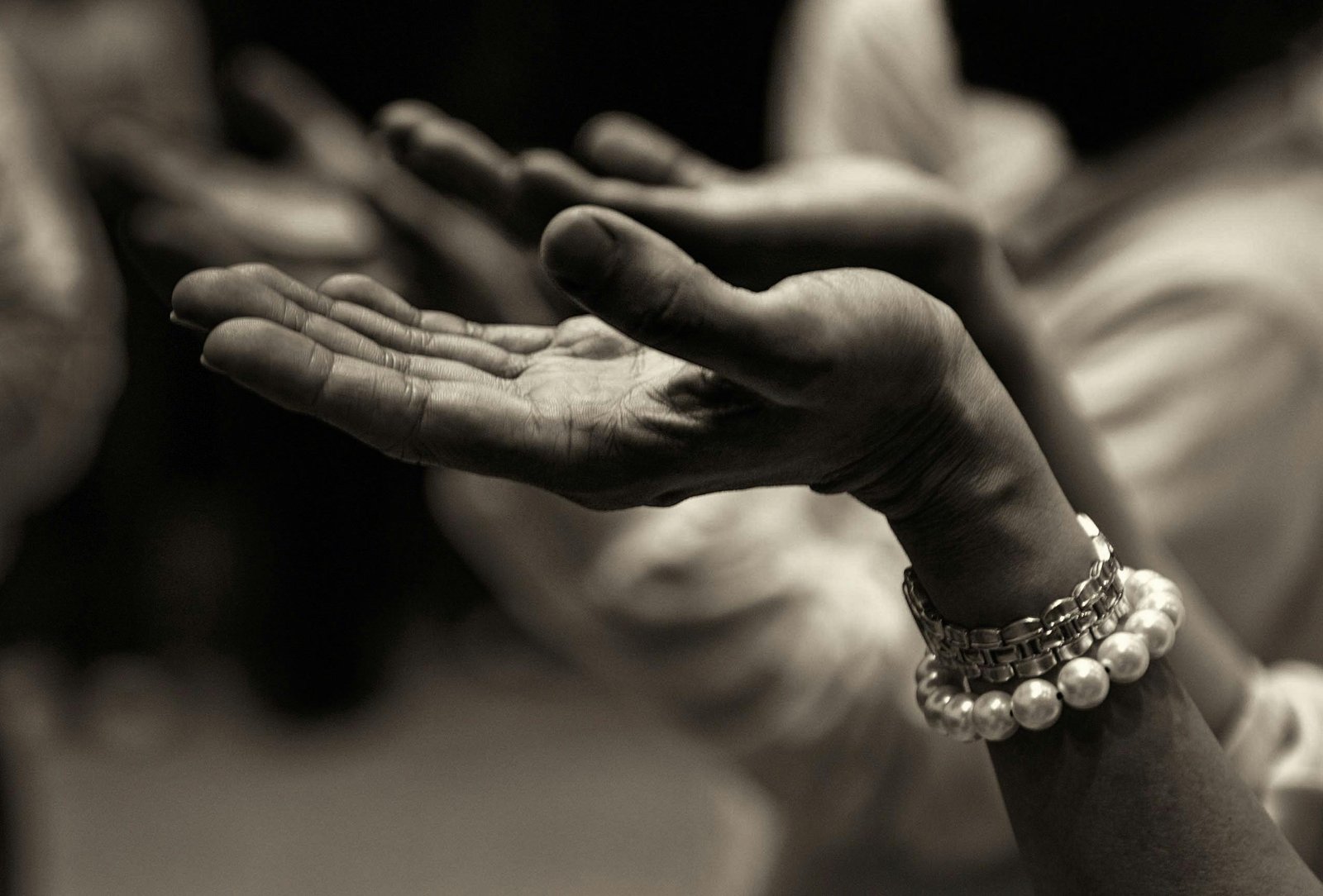
In a world where corruption and religious power often go hand in hand, it is crucial to establish safe spaces where individuals can freely express themselves and hold those in positions of authority accountable. The intersection of corruption and religious influence can create a toxic environment where abuse of power thrives and vulnerable individuals suffer the consequences. By promoting safe spaces, we can work towards a more just and equitable society. Corruption within religious institutions is a pressing issue that can have devastating effects on individuals and communities. When religious leaders abuse their power for personal gain or to maintain control over their followers, it undermines the very principles of faith and morality they are supposed to uphold. This corruption can take many forms, from financial embezzlement to sexual abuse, and it often goes unchecked due to the reverence and authority granted to religious figures. Establishing safe spaces within religious communities means creating environments where individuals feel empowered to speak out against corruption and hold their leaders accountable. This requires fostering a culture of transparency, openness, and accountability within religious institutions. It also means providing support and resources for individuals who have experienced harm or abuse at the hands of those in positions of religious power. Beyond religious institutions, corruption can also be prevalent in other areas of society, such as government, business, and non-profit organizations. When corruption intersects with religious power, it can further entrench systems of oppression and exploitation. Creating safe spaces to address and combat corruption in all its forms is essential for creating a more just and equitable society. One way to foster safe spaces is through education and awareness-raising initiatives that empower individuals to recognize and resist corruption and abuse of power. This can include providing training on identifying and reporting corruption, as well as promoting ethical leadership and good governance practices within religious institutions. Additionally, creating avenues for individuals to seek support and redress when they have experienced harm or abuse is crucial for building safe spaces. This may involve establishing helplines, support groups, or other resources to help individuals navigate the complexities of reporting corruption and holding perpetrators accountable. By actively working to combat corruption and religious power through the creation of safe spaces, we can help protect vulnerable individuals, promote justice and accountability, and build more resilient and inclusive communities. It is through our collective efforts to challenge corruption and abuse of power that we can ensure a more equitable and ethical society for all.
Leave a Comment:
SEARCH
Recent News
- Zurich, Switzerland is a vibrant city known for its picturesque landscapes, rich history, and diverse cultural scene. One fascinating aspect of Zurich's cultural tapestry is the influence of Sudanese culture in the city.
- Zurich, Switzerland, is renowned for its picturesque landscapes, vibrant culture, and thriving economy. However, thousands of kilometers away in Russia, agriculture plays a crucial role in the country's economy and food production.
- When looking at two diverse but equally fascinating destinations such as Zurich, Switzerland, and the rich culture of Quebec in Canada, it’s hard not to be captivated by the unique charm and beauty each has to offer.
- Zurich, Switzerland: A Hub for Hungarian Culture
- Zurich, Switzerland is a picturesque city known for its stunning landscapes, historic architecture, and vibrant culture. On the other hand, Honduras is a country rich in history and cultural diversity. Let's explore the contrasting beauty of Zurich, Switzerland and the colorful traditions of Honduras.
- Zurich, Switzerland is a vibrant city known for its stunning beauty, high quality of life, and rich cultural scene. One of the many diverse cultural influences found in Zurich is that of Ethiopian culture. Ethiopians have been making significant contributions to the cultural landscape of Zurich, bringing their unique traditions, music, cuisine, and art to the city.
- Cancel culture has been a hotly debated topic in recent years, and its impact can be seen around the world, including in Zurich, Switzerland. As a vibrant and cosmopolitan city, Zurich is not immune to the effects of cancel culture, which involves boycotting or ostracizing individuals or groups deemed to have behaved in a controversial or offensive manner.
- Zurich, Switzerland is a city known for its stunning architecture, pristine lake, and vibrant cultural scene. Home to a diverse population, Zurich also attracts residents and visitors from all over the world, including those from Bolivia who bring their rich cultural heritage with them.
READ MORE
10 months ago Category :

Zurich, Switzerland is a vibrant city known for its picturesque landscapes, rich history, and diverse cultural scene. One fascinating aspect of Zurich's cultural tapestry is the influence of Sudanese culture in the city.
Read More →10 months ago Category :

Zurich, Switzerland, is renowned for its picturesque landscapes, vibrant culture, and thriving economy. However, thousands of kilometers away in Russia, agriculture plays a crucial role in the country's economy and food production.
Read More →10 months ago Category :

When looking at two diverse but equally fascinating destinations such as Zurich, Switzerland, and the rich culture of Quebec in Canada, it’s hard not to be captivated by the unique charm and beauty each has to offer.
Read More →10 months ago Category :
