Corruption and Religious Power: A Dangerous Intersection
Category : | Sub Category : Posted on 2025-11-03 22:25:23
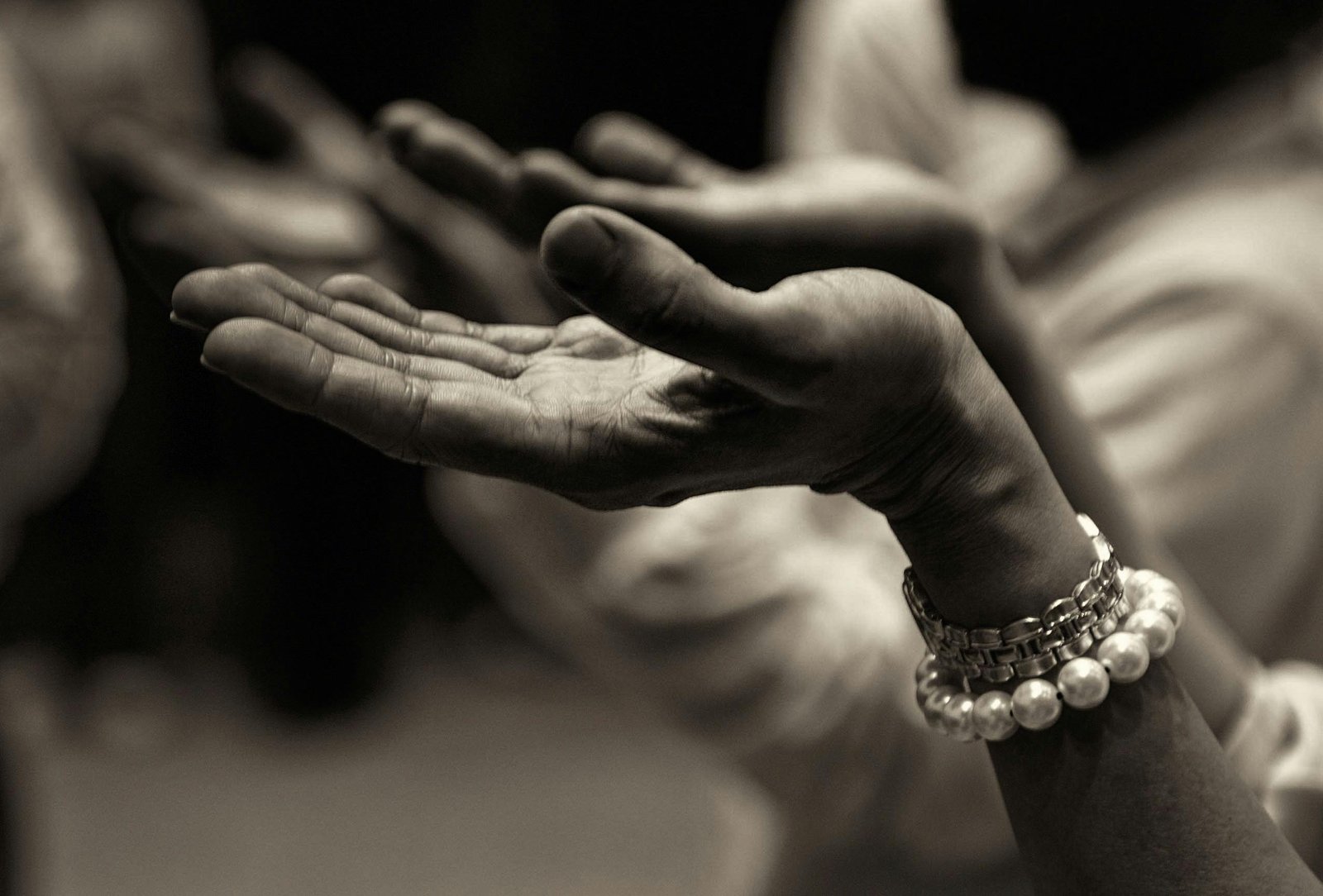
Corruption and religious power have the potential to intersect in a dangerous and destructive manner. When individuals or institutions with religious authority engage in corrupt practices, it erodes trust, undermines faith, and can have wide-reaching negative consequences for society as a whole. One of the most concerning aspects of corruption within religious organizations is the abuse of power. Religious leaders, who are expected to be moral and ethical guides, may instead exploit their positions for personal gain. This can range from financial corruption, such as embezzlement of funds or fraudulent activities, to more insidious forms of abuse, such as manipulation and coercion of followers. Corruption within religious institutions can also lead to a distortion of religious teachings and values. When the pursuit of power and wealth takes precedence over spiritual principles, the integrity of the faith is compromised. This not only harms the reputation of the religion in question but also taints the beliefs and practices of its followers. Furthermore, the intersection of corruption and religious power can have far-reaching social and political consequences. In some cases, corrupt religious leaders may wield significant influence over their followers, using their position to advance personal agendas or support corrupt political regimes. This can perpetuate a cycle of corruption and authoritarianism, further entrenching systems of injustice and inequality. It is crucial for society to be vigilant and hold religious institutions accountable for their actions. Transparency, accountability, and ethical leadership are essential to prevent the abuse of religious power for corrupt purposes. By promoting integrity and upholding the values of honesty and justice, we can strive to ensure that religious organizations serve as beacons of morality and goodwill, rather than sources of corruption and exploitation. Get a comprehensive view with https://www.5x7.org
Leave a Comment:
SEARCH
Recent News
- Zurich, Switzerland is a vibrant city known for its picturesque landscapes, rich history, and diverse cultural scene. One fascinating aspect of Zurich's cultural tapestry is the influence of Sudanese culture in the city.
- Zurich, Switzerland, is renowned for its picturesque landscapes, vibrant culture, and thriving economy. However, thousands of kilometers away in Russia, agriculture plays a crucial role in the country's economy and food production.
- When looking at two diverse but equally fascinating destinations such as Zurich, Switzerland, and the rich culture of Quebec in Canada, it’s hard not to be captivated by the unique charm and beauty each has to offer.
- Zurich, Switzerland: A Hub for Hungarian Culture
- Zurich, Switzerland is a picturesque city known for its stunning landscapes, historic architecture, and vibrant culture. On the other hand, Honduras is a country rich in history and cultural diversity. Let's explore the contrasting beauty of Zurich, Switzerland and the colorful traditions of Honduras.
- Zurich, Switzerland is a vibrant city known for its stunning beauty, high quality of life, and rich cultural scene. One of the many diverse cultural influences found in Zurich is that of Ethiopian culture. Ethiopians have been making significant contributions to the cultural landscape of Zurich, bringing their unique traditions, music, cuisine, and art to the city.
- Cancel culture has been a hotly debated topic in recent years, and its impact can be seen around the world, including in Zurich, Switzerland. As a vibrant and cosmopolitan city, Zurich is not immune to the effects of cancel culture, which involves boycotting or ostracizing individuals or groups deemed to have behaved in a controversial or offensive manner.
- Zurich, Switzerland is a city known for its stunning architecture, pristine lake, and vibrant cultural scene. Home to a diverse population, Zurich also attracts residents and visitors from all over the world, including those from Bolivia who bring their rich cultural heritage with them.
READ MORE
10 months ago Category :

Zurich, Switzerland is a vibrant city known for its picturesque landscapes, rich history, and diverse cultural scene. One fascinating aspect of Zurich's cultural tapestry is the influence of Sudanese culture in the city.
Read More →10 months ago Category :

Zurich, Switzerland, is renowned for its picturesque landscapes, vibrant culture, and thriving economy. However, thousands of kilometers away in Russia, agriculture plays a crucial role in the country's economy and food production.
Read More →10 months ago Category :

When looking at two diverse but equally fascinating destinations such as Zurich, Switzerland, and the rich culture of Quebec in Canada, it’s hard not to be captivated by the unique charm and beauty each has to offer.
Read More →10 months ago Category :
