Corruption and Religious Power: Understanding the Relationship
Category : | Sub Category : Posted on 2025-11-03 22:25:23
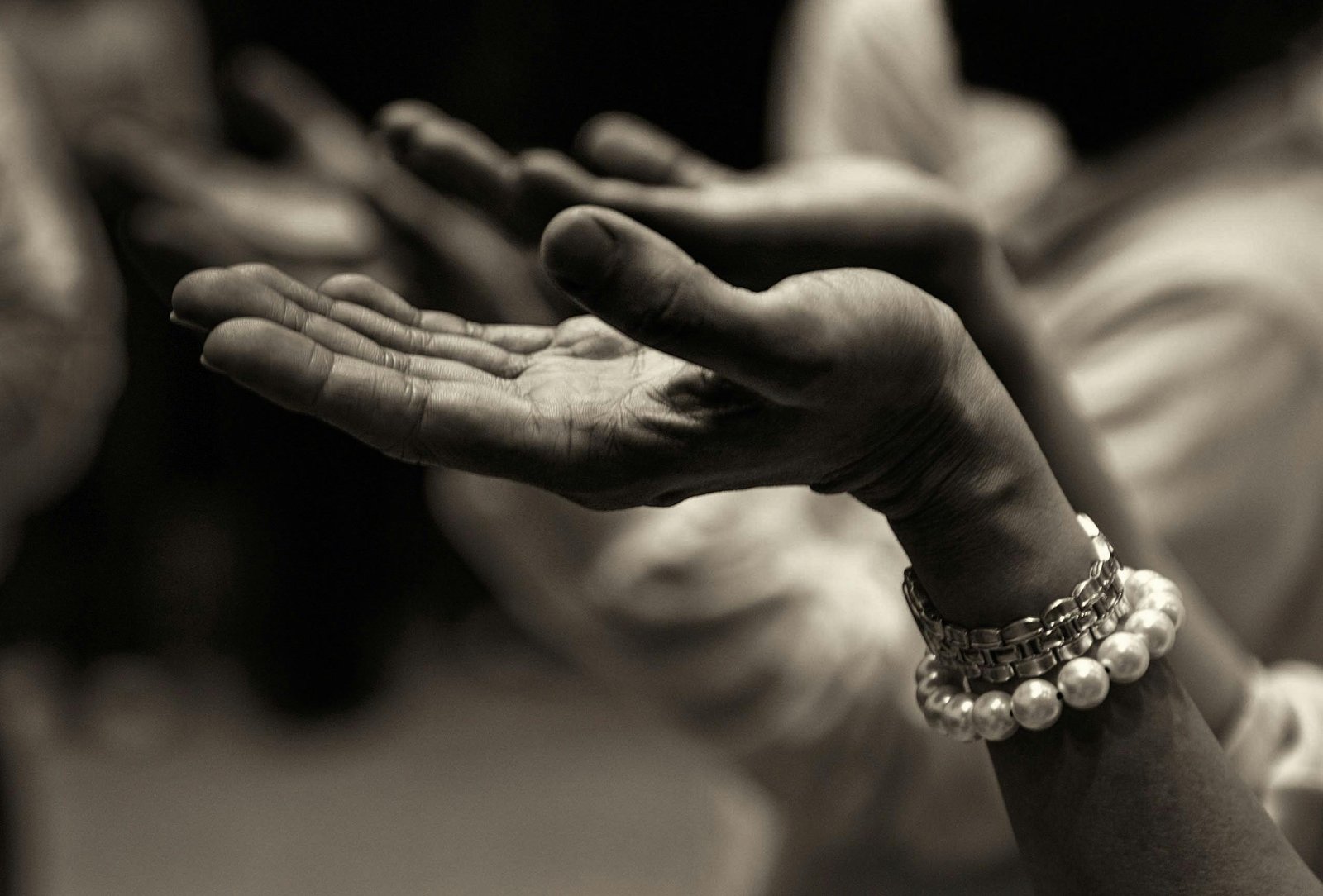
Corruption and religious power, two complex and multifaceted concepts, often intersect in society, influencing each other in various ways. The relationship between corruption and religious power can be approached from different angles, considering both historical examples and contemporary instances around the world. Historically, religious institutions have held significant power and influence over societies, often acting as moral authorities and guiding principles for governance. However, this power has sometimes been misused, leading to instances of corruption within religious organizations. From embezzlement of funds to abuse of authority, corruption within religious institutions can erode trust and integrity, ultimately tarnishing the reputation of the institution and its leaders. On the other hand, corruption within political and governmental structures can also impact religious power. When political leaders engage in corrupt practices, they undermine the rule of law and the ethical foundations of society, which can have a ripple effect on religious institutions. In some cases, corrupt political leaders may seek to manipulate religious organizations for their own gain, using religion as a tool for consolidating power and silencing dissent. Furthermore, the intertwining of corruption and religious power can also be seen in cases where religious leaders themselves engage in corrupt behavior. This can take the form of financial misconduct, moral transgressions, or abuse of power within religious hierarchies. Such actions not only violate the principles of the faith they represent but also betray the trust of their followers, leading to a crisis of faith and authority within the religious community. Addressing the complex dynamics between corruption and religious power requires a multifaceted approach that involves promoting transparency, accountability, and ethical leadership within both religious and political spheres. Strengthening institutional safeguards, encouraging public scrutiny, and fostering a culture of integrity are essential steps in combating corruption and preserving the credibility of religious institutions. Ultimately, the relationship between corruption and religious power is a dynamic and nuanced one, shaped by historical legacies, social dynamics, and individual choices. By understanding and addressing the forces at play, we can strive towards a more just and ethical society where both religious and political powers are held accountable to the highest standards of integrity and moral conduct. If you're interested in this topic, I suggest reading https://www.racionalizar.com also for more https://www.binarios.org
Leave a Comment:
SEARCH
Recent News
- Zurich, Switzerland is a vibrant city known for its picturesque landscapes, rich history, and diverse cultural scene. One fascinating aspect of Zurich's cultural tapestry is the influence of Sudanese culture in the city.
- Zurich, Switzerland, is renowned for its picturesque landscapes, vibrant culture, and thriving economy. However, thousands of kilometers away in Russia, agriculture plays a crucial role in the country's economy and food production.
- When looking at two diverse but equally fascinating destinations such as Zurich, Switzerland, and the rich culture of Quebec in Canada, it’s hard not to be captivated by the unique charm and beauty each has to offer.
- Zurich, Switzerland: A Hub for Hungarian Culture
- Zurich, Switzerland is a picturesque city known for its stunning landscapes, historic architecture, and vibrant culture. On the other hand, Honduras is a country rich in history and cultural diversity. Let's explore the contrasting beauty of Zurich, Switzerland and the colorful traditions of Honduras.
- Zurich, Switzerland is a vibrant city known for its stunning beauty, high quality of life, and rich cultural scene. One of the many diverse cultural influences found in Zurich is that of Ethiopian culture. Ethiopians have been making significant contributions to the cultural landscape of Zurich, bringing their unique traditions, music, cuisine, and art to the city.
- Cancel culture has been a hotly debated topic in recent years, and its impact can be seen around the world, including in Zurich, Switzerland. As a vibrant and cosmopolitan city, Zurich is not immune to the effects of cancel culture, which involves boycotting or ostracizing individuals or groups deemed to have behaved in a controversial or offensive manner.
- Zurich, Switzerland is a city known for its stunning architecture, pristine lake, and vibrant cultural scene. Home to a diverse population, Zurich also attracts residents and visitors from all over the world, including those from Bolivia who bring their rich cultural heritage with them.
READ MORE
10 months ago Category :

Zurich, Switzerland is a vibrant city known for its picturesque landscapes, rich history, and diverse cultural scene. One fascinating aspect of Zurich's cultural tapestry is the influence of Sudanese culture in the city.
Read More →10 months ago Category :

Zurich, Switzerland, is renowned for its picturesque landscapes, vibrant culture, and thriving economy. However, thousands of kilometers away in Russia, agriculture plays a crucial role in the country's economy and food production.
Read More →10 months ago Category :

When looking at two diverse but equally fascinating destinations such as Zurich, Switzerland, and the rich culture of Quebec in Canada, it’s hard not to be captivated by the unique charm and beauty each has to offer.
Read More →10 months ago Category :
