The Intersection of Corruption and Religious Power in the Latin American Community
Category : | Sub Category : Posted on 2025-11-03 22:25:23
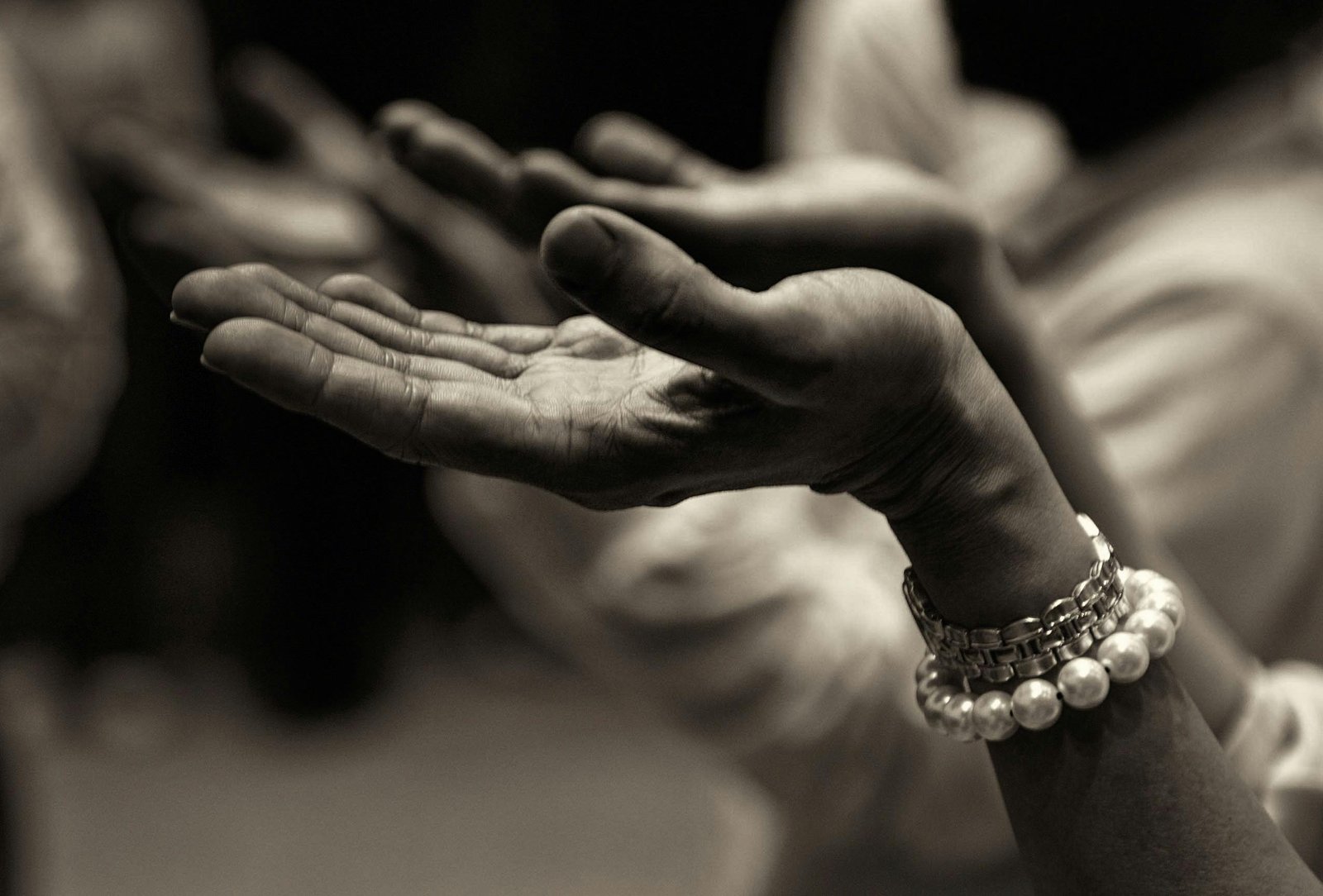
Corruption and the influence of religious power are two significant forces that shape the social, political, and cultural landscape of many Latin American countries. The intersection of these two factors can have far-reaching consequences for the region, affecting everything from governance and public trust to social cohesion and individual morality. In Latin America, where religion often plays a central role in people's lives, religious leaders and institutions wield considerable influence over the population. This influence can be used for both positive and negative purposes, depending on the intentions and actions of those in power. Unfortunately, in some cases, this power has been abused, leading to instances of corruption and unethical behavior. One of the ways in which corruption and religious power intersect is through the manipulation of religious beliefs for personal or political gain. In some instances, corrupt politicians or officials may seek to co-opt religious leaders to legitimize their actions or garner support from the religious community. This can be particularly damaging when it leads to the exploitation of people's faith for the benefit of a few. Furthermore, the close relationship between religious institutions and political power in some Latin American countries can create opportunities for corruption to flourish. When religious leaders are closely aligned with those in government, there may be less oversight and accountability, allowing corruption to go unchecked. This can erode public trust in both religious and political institutions, further perpetuating a cycle of corruption and mistrust. Moreover, the moral authority wielded by religious leaders can also be compromised when they are implicated in corrupt activities. Instances of financial impropriety, sexual misconduct, or other ethical breaches can tarnish the reputation of the entire religious community, leading to a loss of credibility and influence. To address the intersection of corruption and religious power in the Latin American community, there is a need for greater transparency, accountability, and ethical leadership within both religious and political institutions. Religious leaders must uphold the values of honesty, integrity, and social justice, using their influence for the betterment of society rather than personal gain. Additionally, there is a role for civil society organizations, the media, and individual citizens in holding both religious and political leaders accountable for their actions. By promoting a culture of transparency and challenging corruption wherever it arises, the Latin American community can work towards building a more just and equitable society for all. In conclusion, the intersection of corruption and religious power in the Latin American community is a complex and multifaceted issue that requires attention and action from various stakeholders. By confronting corruption, upholding ethical standards, and promoting accountability, the region can move towards a brighter future built on justice, integrity, and mutual respect. Explore this subject further for a deeper understanding. https://www.tosanfrancisco.com To learn more, take a look at: https://www.toseattle.com For a comprehensive review, explore https://www.departements.org Seeking expert advice? Find it in https://www.latinoamericano.net For a deeper dive, visit: https://www.mexicocityinfo.com To delve deeper into this subject, consider these articles: https://www.paraguayinfo.com Get a well-rounded perspective with https://www.boliviainfo.com To get all the details, go through https://www.ismadrid.com
Leave a Comment:
SEARCH
Recent News
- Zurich, Switzerland is a vibrant city known for its picturesque landscapes, rich history, and diverse cultural scene. One fascinating aspect of Zurich's cultural tapestry is the influence of Sudanese culture in the city.
- Zurich, Switzerland, is renowned for its picturesque landscapes, vibrant culture, and thriving economy. However, thousands of kilometers away in Russia, agriculture plays a crucial role in the country's economy and food production.
- When looking at two diverse but equally fascinating destinations such as Zurich, Switzerland, and the rich culture of Quebec in Canada, it’s hard not to be captivated by the unique charm and beauty each has to offer.
- Zurich, Switzerland: A Hub for Hungarian Culture
- Zurich, Switzerland is a picturesque city known for its stunning landscapes, historic architecture, and vibrant culture. On the other hand, Honduras is a country rich in history and cultural diversity. Let's explore the contrasting beauty of Zurich, Switzerland and the colorful traditions of Honduras.
- Zurich, Switzerland is a vibrant city known for its stunning beauty, high quality of life, and rich cultural scene. One of the many diverse cultural influences found in Zurich is that of Ethiopian culture. Ethiopians have been making significant contributions to the cultural landscape of Zurich, bringing their unique traditions, music, cuisine, and art to the city.
- Cancel culture has been a hotly debated topic in recent years, and its impact can be seen around the world, including in Zurich, Switzerland. As a vibrant and cosmopolitan city, Zurich is not immune to the effects of cancel culture, which involves boycotting or ostracizing individuals or groups deemed to have behaved in a controversial or offensive manner.
- Zurich, Switzerland is a city known for its stunning architecture, pristine lake, and vibrant cultural scene. Home to a diverse population, Zurich also attracts residents and visitors from all over the world, including those from Bolivia who bring their rich cultural heritage with them.
READ MORE
10 months ago Category :

Zurich, Switzerland is a vibrant city known for its picturesque landscapes, rich history, and diverse cultural scene. One fascinating aspect of Zurich's cultural tapestry is the influence of Sudanese culture in the city.
Read More →10 months ago Category :

Zurich, Switzerland, is renowned for its picturesque landscapes, vibrant culture, and thriving economy. However, thousands of kilometers away in Russia, agriculture plays a crucial role in the country's economy and food production.
Read More →10 months ago Category :

When looking at two diverse but equally fascinating destinations such as Zurich, Switzerland, and the rich culture of Quebec in Canada, it’s hard not to be captivated by the unique charm and beauty each has to offer.
Read More →10 months ago Category :
