In today's globalized world, international trade serves as a vital component of economic growth and development. However, the issue of corruption within this sphere has been a persistent challenge that undermines fair competition, distorts market dynamics, and erodes public trust. Furthermore, the influence of religious power in the context of international trade standards raises important considerations regarding ethics, transparency, and governance.
Category : | Sub Category : Posted on 2025-11-03 22:25:23
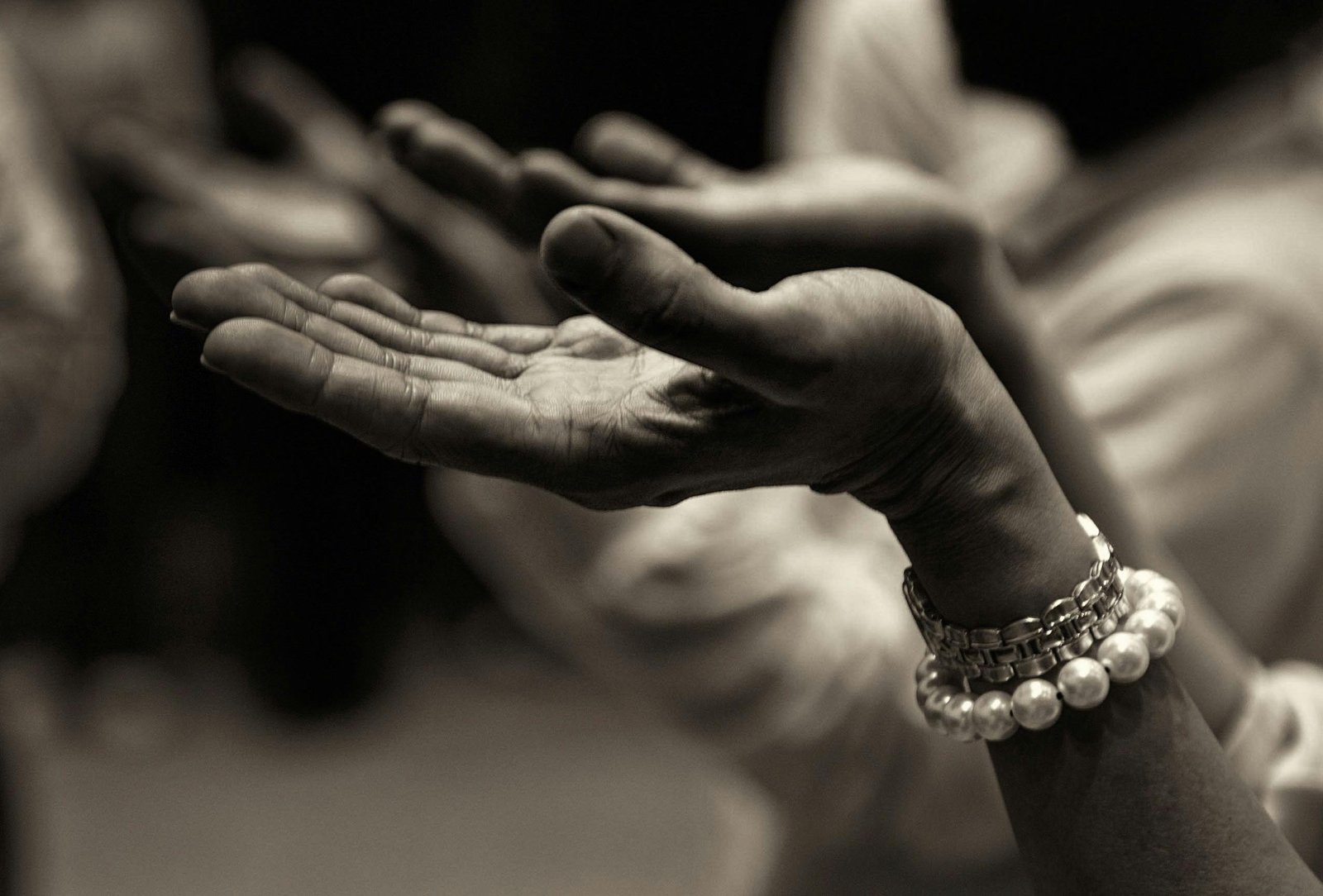
corruption, in its various forms such as bribery, embezzlement, and nepotism, poses a significant threat to the integrity of international trade standards. When businesses engage in corrupt practices to gain unfair advantages or circumvent regulations, it creates an uneven playing field that harms honest enterprises and stifles innovation. Furthermore, corrupt dealings can lead to substandard products, environmental degradation, and social inequalities, ultimately compromising the well-being of societies. Religious power, on the other hand, has the potential to shape the ethical framework within which international trade operates. Many major religions advocate for principles such as honesty, fairness, and accountability, which are essential for maintaining trust and promoting sustainable development. Religious leaders and institutions can play a crucial role in advocating for just and ethical business practices, encouraging adherence to international trade standards that prioritize the common good over individual gain. Efforts to combat corruption and uphold ethical standards in international trade require a multi-faceted approach involving governments, businesses, civil society, and religious organizations. Transparency, accountability, and strong regulatory frameworks are essential tools for preventing and deterring corrupt practices. Moreover, promoting a culture of integrity and ethical leadership is crucial for building a more sustainable and equitable global economy. As we navigate the complexities of international trade in a rapidly changing world, addressing the challenges of corruption and leveraging the influence of religious power can help foster a more just, inclusive, and responsible trading system. By promoting ethical behavior and upholding international trade standards, we can create a more level playing field that benefits all stakeholders and contributes to the well-being of humanity as a whole.
Leave a Comment:
SEARCH
Recent News
- Zurich, Switzerland is a vibrant city known for its picturesque landscapes, rich history, and diverse cultural scene. One fascinating aspect of Zurich's cultural tapestry is the influence of Sudanese culture in the city.
- Zurich, Switzerland, is renowned for its picturesque landscapes, vibrant culture, and thriving economy. However, thousands of kilometers away in Russia, agriculture plays a crucial role in the country's economy and food production.
- When looking at two diverse but equally fascinating destinations such as Zurich, Switzerland, and the rich culture of Quebec in Canada, it’s hard not to be captivated by the unique charm and beauty each has to offer.
- Zurich, Switzerland: A Hub for Hungarian Culture
- Zurich, Switzerland is a picturesque city known for its stunning landscapes, historic architecture, and vibrant culture. On the other hand, Honduras is a country rich in history and cultural diversity. Let's explore the contrasting beauty of Zurich, Switzerland and the colorful traditions of Honduras.
- Zurich, Switzerland is a vibrant city known for its stunning beauty, high quality of life, and rich cultural scene. One of the many diverse cultural influences found in Zurich is that of Ethiopian culture. Ethiopians have been making significant contributions to the cultural landscape of Zurich, bringing their unique traditions, music, cuisine, and art to the city.
- Cancel culture has been a hotly debated topic in recent years, and its impact can be seen around the world, including in Zurich, Switzerland. As a vibrant and cosmopolitan city, Zurich is not immune to the effects of cancel culture, which involves boycotting or ostracizing individuals or groups deemed to have behaved in a controversial or offensive manner.
- Zurich, Switzerland is a city known for its stunning architecture, pristine lake, and vibrant cultural scene. Home to a diverse population, Zurich also attracts residents and visitors from all over the world, including those from Bolivia who bring their rich cultural heritage with them.
READ MORE
10 months ago Category :

Zurich, Switzerland is a vibrant city known for its picturesque landscapes, rich history, and diverse cultural scene. One fascinating aspect of Zurich's cultural tapestry is the influence of Sudanese culture in the city.
Read More →10 months ago Category :

Zurich, Switzerland, is renowned for its picturesque landscapes, vibrant culture, and thriving economy. However, thousands of kilometers away in Russia, agriculture plays a crucial role in the country's economy and food production.
Read More →10 months ago Category :

When looking at two diverse but equally fascinating destinations such as Zurich, Switzerland, and the rich culture of Quebec in Canada, it’s hard not to be captivated by the unique charm and beauty each has to offer.
Read More →10 months ago Category :
