Corruption and religious power are two significant and complex issues that have had a deep impact on societies throughout history. While these topics may appear distinct, there is a long-standing link between corruption and the misuse of religious power. In this blog post, we will explore this connection using inductive reasoning to analyze patterns and draw conclusions based on specific examples and evidence.
Category : | Sub Category : Posted on 2025-11-03 22:25:23
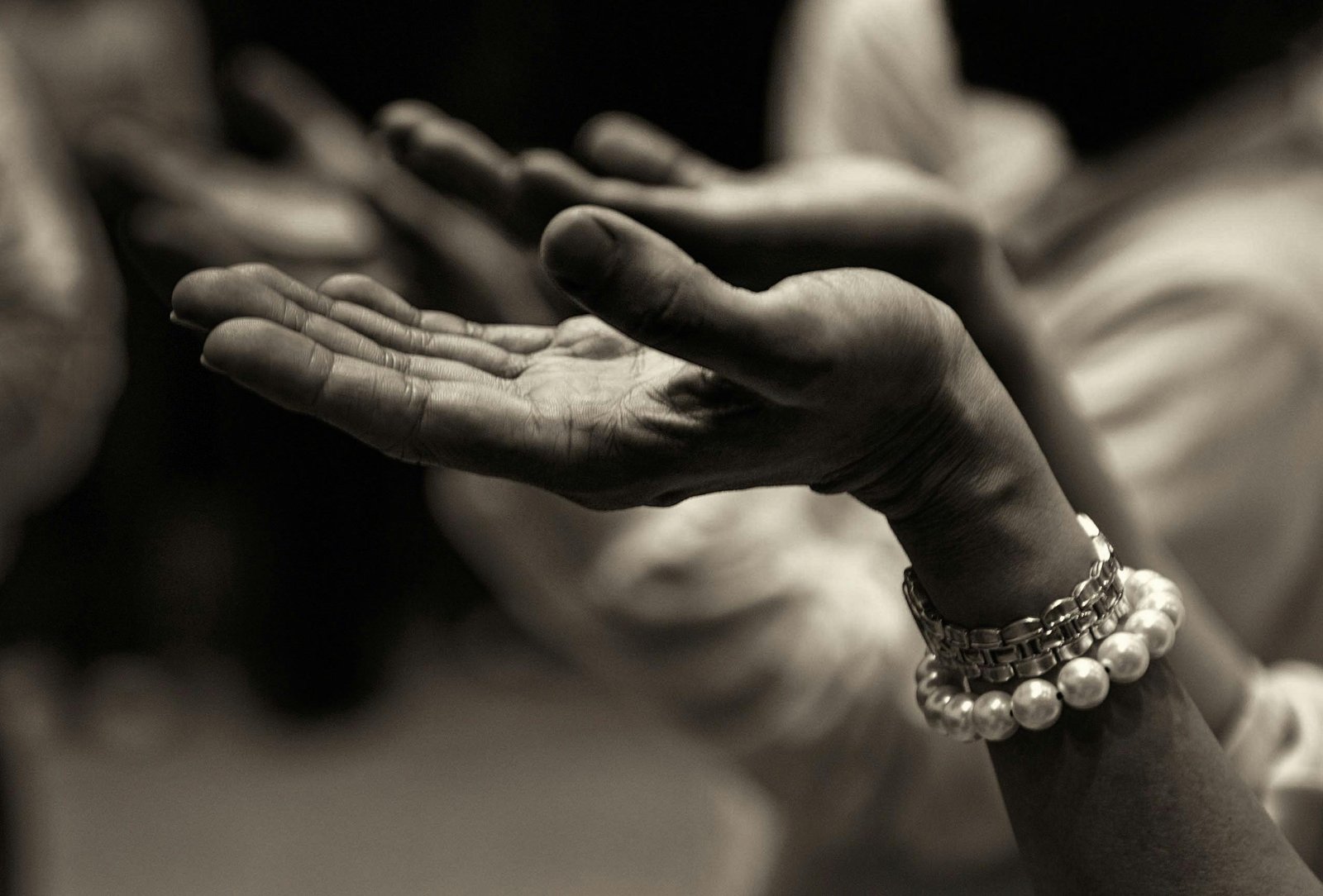
Firstly, it is important to define both corruption and religious power. Corruption refers to the abuse of power for personal gain or to benefit a particular group, often involving deception, bribery, and dishonesty. On the other hand, religious power pertains to the influence and authority wielded by religious institutions and leaders over their followers, guiding beliefs, practices, and behaviors. One way in which corruption and religious power intersect is through the exploitation of faith for personal or political gain. Throughout history, there have been numerous instances of religious leaders using their influence to amass wealth, manipulate followers, and engage in unethical practices. This misuse of religious power can lead to corruption within the religious institution itself, as well as within the broader society where the institution operates. Another aspect to consider is the role of corruption in undermining the moral authority of religious institutions. When religious leaders engage in corrupt practices, such as embezzlement, fraud, or cover-ups of wrongdoing, it erodes trust in the institution and its teachings. This can have a detrimental impact on the spiritual well-being of believers and the credibility of the religion as a whole. Furthermore, the intertwining of corruption and religious power can have far-reaching consequences on society, including social inequality, political instability, and moral decay. When religious institutions become entangled in corruption, it can perpetuate a cycle of abuse of power and erode the values and principles that form the foundation of a just and ethical society. In conclusion, the relationship between corruption and religious power is a complex and multifaceted one that warrants further exploration and reflection. By using inductive reasoning to analyze this connection, we can gain a deeper understanding of how these issues intersect and impact individuals, communities, and societies at large. It is essential for both religious leaders and followers to be vigilant against corruption and uphold the principles of transparency, accountability, and integrity to safeguard the sacred trust placed in them.
Leave a Comment:
SEARCH
Recent News
- Zurich, Switzerland is a vibrant city known for its picturesque landscapes, rich history, and diverse cultural scene. One fascinating aspect of Zurich's cultural tapestry is the influence of Sudanese culture in the city.
- Zurich, Switzerland, is renowned for its picturesque landscapes, vibrant culture, and thriving economy. However, thousands of kilometers away in Russia, agriculture plays a crucial role in the country's economy and food production.
- When looking at two diverse but equally fascinating destinations such as Zurich, Switzerland, and the rich culture of Quebec in Canada, it’s hard not to be captivated by the unique charm and beauty each has to offer.
- Zurich, Switzerland: A Hub for Hungarian Culture
- Zurich, Switzerland is a picturesque city known for its stunning landscapes, historic architecture, and vibrant culture. On the other hand, Honduras is a country rich in history and cultural diversity. Let's explore the contrasting beauty of Zurich, Switzerland and the colorful traditions of Honduras.
- Zurich, Switzerland is a vibrant city known for its stunning beauty, high quality of life, and rich cultural scene. One of the many diverse cultural influences found in Zurich is that of Ethiopian culture. Ethiopians have been making significant contributions to the cultural landscape of Zurich, bringing their unique traditions, music, cuisine, and art to the city.
- Cancel culture has been a hotly debated topic in recent years, and its impact can be seen around the world, including in Zurich, Switzerland. As a vibrant and cosmopolitan city, Zurich is not immune to the effects of cancel culture, which involves boycotting or ostracizing individuals or groups deemed to have behaved in a controversial or offensive manner.
- Zurich, Switzerland is a city known for its stunning architecture, pristine lake, and vibrant cultural scene. Home to a diverse population, Zurich also attracts residents and visitors from all over the world, including those from Bolivia who bring their rich cultural heritage with them.
READ MORE
10 months ago Category :

Zurich, Switzerland is a vibrant city known for its picturesque landscapes, rich history, and diverse cultural scene. One fascinating aspect of Zurich's cultural tapestry is the influence of Sudanese culture in the city.
Read More →10 months ago Category :

Zurich, Switzerland, is renowned for its picturesque landscapes, vibrant culture, and thriving economy. However, thousands of kilometers away in Russia, agriculture plays a crucial role in the country's economy and food production.
Read More →10 months ago Category :

When looking at two diverse but equally fascinating destinations such as Zurich, Switzerland, and the rich culture of Quebec in Canada, it’s hard not to be captivated by the unique charm and beauty each has to offer.
Read More →10 months ago Category :
