Corruption and Religious Power: Examining the Interplay through Deductive Reasoning
Category : | Sub Category : Posted on 2025-11-03 22:25:23
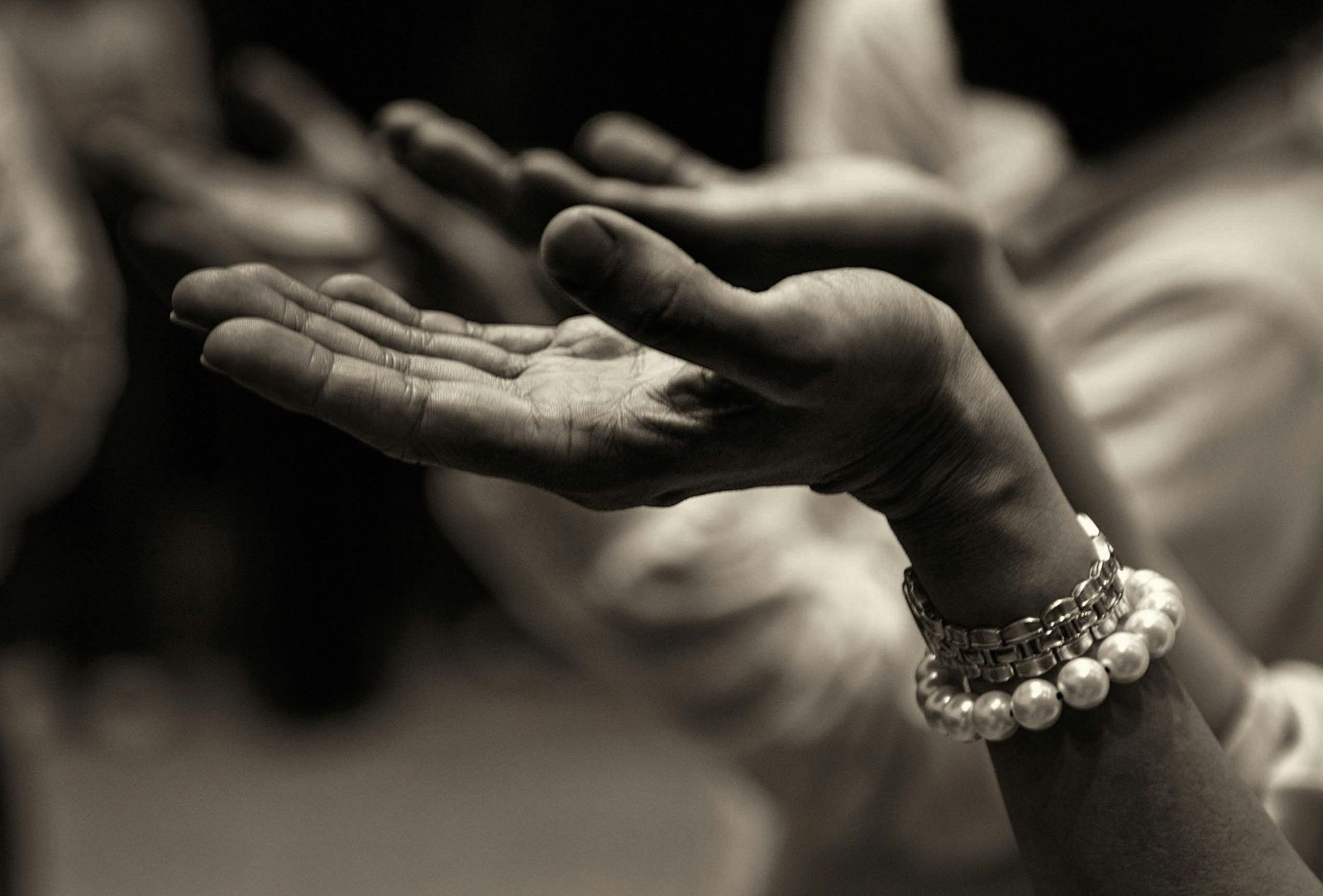
Corruption and religious power have long been intertwined in the tapestry of societal structures. The influence wielded by religious authorities can be immense, shaping moral codes, guiding ethical behavior, and dictating social norms. However, this power can also be a double-edged sword, as it opens the door to potential corruption and misuse of authority. Deductive reasoning offers a valuable tool for dissecting the dynamics between corruption and religious power. By starting with general principles and applying them to specific cases, deductive reasoning can help us unravel the complex interactions at play. At the heart of the matter lies the notion that absolute power corrupts absolutely. When religious leaders amass significant influence and authority, they may be tempted to abuse their power for personal gain or to further their own agendas. This can manifest in various forms, such as financial embezzlement, sexual misconduct, or manipulation of followers for political ends. Moreover, the belief in the infallibility of religious figures can create a culture of impunity, where actions that would be deemed corrupt in any other context are excused or overlooked. This can erode trust in religious institutions and lead to a loss of faith among believers. Deductive reasoning can also shed light on the mechanisms that enable corruption to thrive within religious organizations. For example, the hierarchical structure of many religious institutions can create opportunities for exploitation, as lower-ranking members may feel pressured to comply with unethical directives from their superiors. Furthermore, the close-knit communities that often form around religious congregations can foster a culture of secrecy and loyalty, making it difficult for outsiders to detect or expose corrupt practices. This can perpetuate a cycle of corruption, where misconduct goes unchecked and becomes increasingly ingrained in the fabric of the organization. In conclusion, the relationship between corruption and religious power is a multifaceted and intricate one, with far-reaching implications for individuals and societies alike. By employing deductive reasoning to analyze this complex interplay, we can gain a deeper understanding of the mechanisms at work and work towards fostering transparency, accountability, and integrity within religious institutions. Only through such efforts can we hope to mitigate the negative effects of corruption and uphold the values of justice and morality that lie at the core of all religious traditions.
Leave a Comment:
SEARCH
Recent News
- Zurich, Switzerland is a vibrant city known for its picturesque landscapes, rich history, and diverse cultural scene. One fascinating aspect of Zurich's cultural tapestry is the influence of Sudanese culture in the city.
- Zurich, Switzerland, is renowned for its picturesque landscapes, vibrant culture, and thriving economy. However, thousands of kilometers away in Russia, agriculture plays a crucial role in the country's economy and food production.
- When looking at two diverse but equally fascinating destinations such as Zurich, Switzerland, and the rich culture of Quebec in Canada, it’s hard not to be captivated by the unique charm and beauty each has to offer.
- Zurich, Switzerland: A Hub for Hungarian Culture
- Zurich, Switzerland is a picturesque city known for its stunning landscapes, historic architecture, and vibrant culture. On the other hand, Honduras is a country rich in history and cultural diversity. Let's explore the contrasting beauty of Zurich, Switzerland and the colorful traditions of Honduras.
- Zurich, Switzerland is a vibrant city known for its stunning beauty, high quality of life, and rich cultural scene. One of the many diverse cultural influences found in Zurich is that of Ethiopian culture. Ethiopians have been making significant contributions to the cultural landscape of Zurich, bringing their unique traditions, music, cuisine, and art to the city.
- Cancel culture has been a hotly debated topic in recent years, and its impact can be seen around the world, including in Zurich, Switzerland. As a vibrant and cosmopolitan city, Zurich is not immune to the effects of cancel culture, which involves boycotting or ostracizing individuals or groups deemed to have behaved in a controversial or offensive manner.
- Zurich, Switzerland is a city known for its stunning architecture, pristine lake, and vibrant cultural scene. Home to a diverse population, Zurich also attracts residents and visitors from all over the world, including those from Bolivia who bring their rich cultural heritage with them.
READ MORE
10 months ago Category :

Zurich, Switzerland is a vibrant city known for its picturesque landscapes, rich history, and diverse cultural scene. One fascinating aspect of Zurich's cultural tapestry is the influence of Sudanese culture in the city.
Read More →10 months ago Category :

Zurich, Switzerland, is renowned for its picturesque landscapes, vibrant culture, and thriving economy. However, thousands of kilometers away in Russia, agriculture plays a crucial role in the country's economy and food production.
Read More →10 months ago Category :

When looking at two diverse but equally fascinating destinations such as Zurich, Switzerland, and the rich culture of Quebec in Canada, it’s hard not to be captivated by the unique charm and beauty each has to offer.
Read More →10 months ago Category :
