Corruption has long been a scourge on society, permeating various institutions and spheres of influence. One particularly troubling connection that has arisen in recent times is the link between corruption and religious power. Religious institutions, which are meant to embody moral and ethical values, can sometimes be vulnerable to corruption when leaders stray from their principles in pursuit of monetary gain or power.
Category : | Sub Category : Posted on 2025-11-03 22:25:23
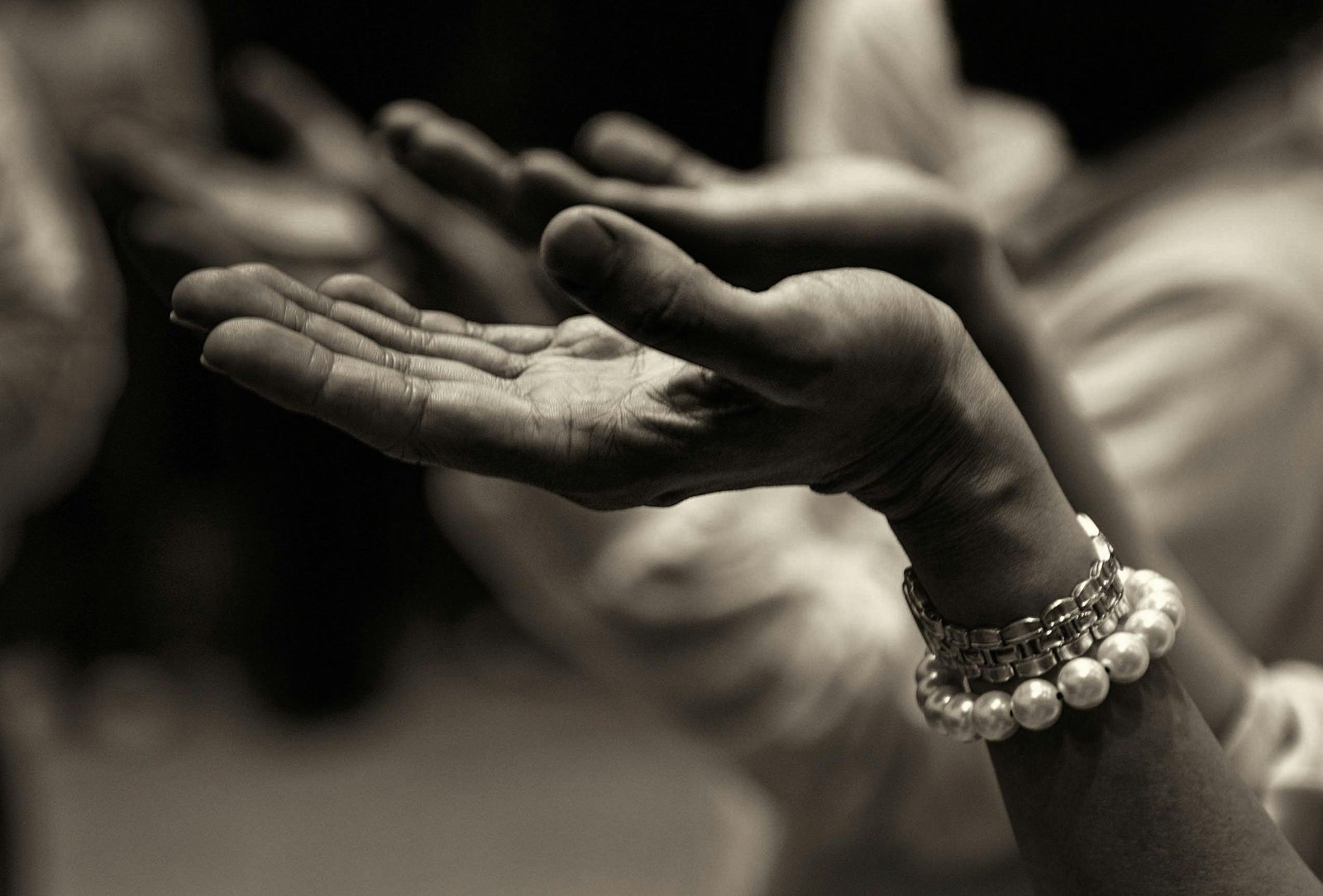
The connection between corruption and religious power can have far-reaching consequences, not only within the religious community but also in the broader society. When religious leaders engage in corrupt practices, such as embezzlement of funds, manipulation of followers, or involvement in illicit activities, it undermines the trust and faith that people have in those institutions. This can lead to a loss of credibility for the religion as a whole and have a detrimental impact on the spiritual wellbeing of its followers. At the root of this connection between corruption and religious power lies the complex interplay between the conscious and subconscious mind. The conscious mind is our rational, logical self that is aware of our thoughts and actions. It is responsible for making decisions and exercising self-control. On the other hand, the subconscious mind operates below the level of awareness and is influenced by our beliefs, emotions, and past experiences. In the context of corruption and religious power, individuals in positions of authority may be swayed by their subconscious desires for wealth, status, or control. These hidden motivations can override their conscious intentions to uphold the values and principles of their faith. Without a deep understanding of their own subconscious drives and biases, religious leaders may unknowingly succumb to corrupt behavior, compromising the integrity of the institutions they represent. To address the connection between corruption and religious power, it is crucial for religious leaders to engage in introspection and self-awareness. By cultivating a greater understanding of their own subconscious motivations and biases, they can guard against the temptations of corruption and uphold the values of their faith with integrity. Additionally, fostering transparency, accountability, and ethical standards within religious institutions can help prevent corruption from taking root and damaging the spiritual fabric of society. In essence, the connection between corruption and religious power highlights the intricate relationship between the conscious and subconscious mind. By recognizing and addressing the underlying motivations that drive corrupt behavior, religious leaders can uphold the values of their faith and serve as beacons of integrity for their followers. The path to combating corruption in religious institutions begins with a deep reflection on the interplay between our conscious intentions and subconscious influences.
Leave a Comment:
SEARCH
Recent News
- Zurich, Switzerland is a vibrant city known for its picturesque landscapes, rich history, and diverse cultural scene. One fascinating aspect of Zurich's cultural tapestry is the influence of Sudanese culture in the city.
- Zurich, Switzerland, is renowned for its picturesque landscapes, vibrant culture, and thriving economy. However, thousands of kilometers away in Russia, agriculture plays a crucial role in the country's economy and food production.
- When looking at two diverse but equally fascinating destinations such as Zurich, Switzerland, and the rich culture of Quebec in Canada, it’s hard not to be captivated by the unique charm and beauty each has to offer.
- Zurich, Switzerland: A Hub for Hungarian Culture
- Zurich, Switzerland is a picturesque city known for its stunning landscapes, historic architecture, and vibrant culture. On the other hand, Honduras is a country rich in history and cultural diversity. Let's explore the contrasting beauty of Zurich, Switzerland and the colorful traditions of Honduras.
- Zurich, Switzerland is a vibrant city known for its stunning beauty, high quality of life, and rich cultural scene. One of the many diverse cultural influences found in Zurich is that of Ethiopian culture. Ethiopians have been making significant contributions to the cultural landscape of Zurich, bringing their unique traditions, music, cuisine, and art to the city.
- Cancel culture has been a hotly debated topic in recent years, and its impact can be seen around the world, including in Zurich, Switzerland. As a vibrant and cosmopolitan city, Zurich is not immune to the effects of cancel culture, which involves boycotting or ostracizing individuals or groups deemed to have behaved in a controversial or offensive manner.
- Zurich, Switzerland is a city known for its stunning architecture, pristine lake, and vibrant cultural scene. Home to a diverse population, Zurich also attracts residents and visitors from all over the world, including those from Bolivia who bring their rich cultural heritage with them.
READ MORE
10 months ago Category :

Zurich, Switzerland is a vibrant city known for its picturesque landscapes, rich history, and diverse cultural scene. One fascinating aspect of Zurich's cultural tapestry is the influence of Sudanese culture in the city.
Read More →10 months ago Category :

Zurich, Switzerland, is renowned for its picturesque landscapes, vibrant culture, and thriving economy. However, thousands of kilometers away in Russia, agriculture plays a crucial role in the country's economy and food production.
Read More →10 months ago Category :

When looking at two diverse but equally fascinating destinations such as Zurich, Switzerland, and the rich culture of Quebec in Canada, it’s hard not to be captivated by the unique charm and beauty each has to offer.
Read More →10 months ago Category :
