The Intersection of Corruption and Religious Power in Cinema
Category : | Sub Category : Posted on 2025-11-03 22:25:23
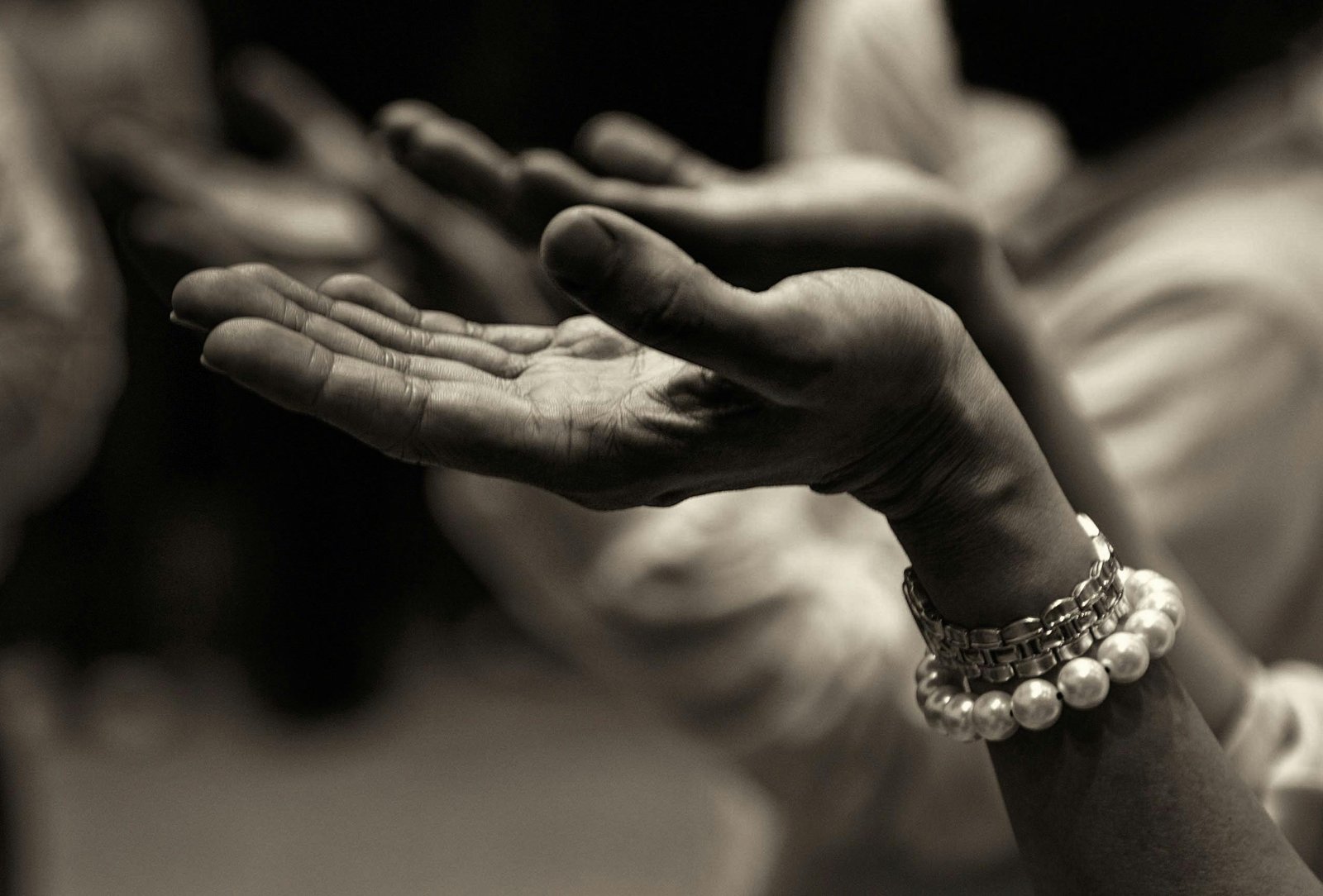
In the world of cinema, the portrayal of corruption and religious power has been a recurring theme that captures the audience's attention and sparks thought-provoking discussions. Films that delve into the complex relationship between corruption and religious authority often provide a mirror to society, reflecting the dark realities that can unfold when power is misused and morality is compromised. One of the most famous films that explores this theme is "The Godfather" trilogy, directed by Francis Ford Coppola. The character of Michael Corleone, played by Al Pacino, undergoes a transformation from a young, idealistic man to a ruthless mafia boss who manipulates his power and influences for personal gain. The juxtaposition of his criminal activities with his Catholic faith highlights the clash between morality and corruption, as Michael grapples with the consequences of his actions on his soul and his family. Another noteworthy film that tackles the intersection of corruption and religious power is "There Will Be Blood," directed by Paul Thomas Anderson. The protagonist, Daniel Plainview, played by Daniel Day-Lewis, is a ruthless oil tycoon who will stop at nothing to achieve his goals. As his wealth and influence grow, Plainview's moral compass erodes, leading to a destructive confrontation with a charismatic preacher, Eli Sunday. The film delves into the corrupting nature of power and the ways in which religion can be exploited for personal gain, highlighting the dark side of both capitalism and faith. On a lighter note, the film "Sister Act," starring Whoopi Goldberg, provides a comedic take on the theme of corruption and religious power. Goldberg's character, Deloris Van Cartier, poses as a nun in a convent to hide from a dangerous criminal, only to find herself transforming the choir and revitalizing the community with her infectious energy. The film explores themes of redemption and the power of music to bridge divides, offering a more lighthearted perspective on the influence of religion on corrupt systems. Overall, the intersection of corruption and religious power in cinema offers a rich tapestry of narratives that challenge viewers to question the ethical implications of power dynamics and the role of faith in shaping individual choices. These films serve as a reminder of the importance of staying vigilant against moral decay and the need to hold those in positions of authority accountable for their actions. Through the lens of cinema, we can explore complex themes and engage in meaningful conversations that help us navigate the complexities of the human experience. For a different take on this issue, see https://www.kinopark.net
Leave a Comment:
SEARCH
Recent News
- Zurich, Switzerland is a vibrant city known for its picturesque landscapes, rich history, and diverse cultural scene. One fascinating aspect of Zurich's cultural tapestry is the influence of Sudanese culture in the city.
- Zurich, Switzerland, is renowned for its picturesque landscapes, vibrant culture, and thriving economy. However, thousands of kilometers away in Russia, agriculture plays a crucial role in the country's economy and food production.
- When looking at two diverse but equally fascinating destinations such as Zurich, Switzerland, and the rich culture of Quebec in Canada, it’s hard not to be captivated by the unique charm and beauty each has to offer.
- Zurich, Switzerland: A Hub for Hungarian Culture
- Zurich, Switzerland is a picturesque city known for its stunning landscapes, historic architecture, and vibrant culture. On the other hand, Honduras is a country rich in history and cultural diversity. Let's explore the contrasting beauty of Zurich, Switzerland and the colorful traditions of Honduras.
- Zurich, Switzerland is a vibrant city known for its stunning beauty, high quality of life, and rich cultural scene. One of the many diverse cultural influences found in Zurich is that of Ethiopian culture. Ethiopians have been making significant contributions to the cultural landscape of Zurich, bringing their unique traditions, music, cuisine, and art to the city.
- Cancel culture has been a hotly debated topic in recent years, and its impact can be seen around the world, including in Zurich, Switzerland. As a vibrant and cosmopolitan city, Zurich is not immune to the effects of cancel culture, which involves boycotting or ostracizing individuals or groups deemed to have behaved in a controversial or offensive manner.
- Zurich, Switzerland is a city known for its stunning architecture, pristine lake, and vibrant cultural scene. Home to a diverse population, Zurich also attracts residents and visitors from all over the world, including those from Bolivia who bring their rich cultural heritage with them.
READ MORE
10 months ago Category :

Zurich, Switzerland is a vibrant city known for its picturesque landscapes, rich history, and diverse cultural scene. One fascinating aspect of Zurich's cultural tapestry is the influence of Sudanese culture in the city.
Read More →10 months ago Category :

Zurich, Switzerland, is renowned for its picturesque landscapes, vibrant culture, and thriving economy. However, thousands of kilometers away in Russia, agriculture plays a crucial role in the country's economy and food production.
Read More →10 months ago Category :

When looking at two diverse but equally fascinating destinations such as Zurich, Switzerland, and the rich culture of Quebec in Canada, it’s hard not to be captivated by the unique charm and beauty each has to offer.
Read More →10 months ago Category :
